Address: 21660 W Field Pkwy, Suite 301, Deer Park, IL 60010

Ketamine Infusion Therapy for Treatment-Resistant Depression
A New Hope in Chicago Land
2/13/2026
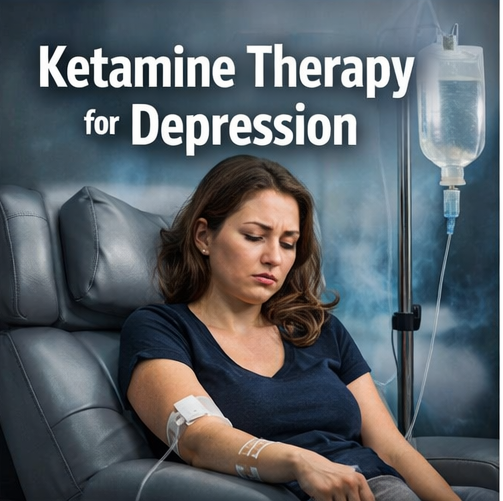
Depression — especially treatment-resistant depression — can feel like an unrelenting weight. When traditional approaches such as antidepressants and psychotherapy fail to provide meaningful relief, individuals can feel trapped, hopeless, and frustrated.
For patients in the Chicago land area, ketamine infusion therapy represents a powerful new frontier in depression care — offering rapid, transformative symptom relief when other treatments have fallen short. (New Hope Ketamine Clinic)
What Is Treatment-Resistant Depression?
Treatment-resistant depression (TRD) is typically defined as depressive symptoms that don’t improve after at least two standard antidepressant trials. Patients with TRD often experience:
Persistent sadness or emptiness
Loss of interest in daily life
Sleep disturbances
Appetite changes
Cognitive difficulty
Suicidal thoughts
These symptoms can persist for years, even when individuals pursue multiple treatment plans.
How Ketamine Infusion Therapy Addresses Depression
Rapid Onset of Effects
Unlike traditional antidepressants that may take weeks to show benefits, ketamine can produce noticeable improvement in mood within hours or days after treatment.
Ketamine works by affecting neurotransmitter pathways, including those involving glutamate and neuroplasticity — mechanisms that traditional antidepressants don’t directly target.
Targeting Neural Connectivity
Depression is associated with disrupted neural networks. Ketamine infusion therapy increases glutamate activity and can stimulate synaptogenesis, helping the brain form new connections and break free from rigid negative patterns.
Effective for Severe and Suicidal Symptoms
Studies show ketamine can reduce suicidal ideation quickly — a critical advantage for patients at high risk. Its rapid effect makes it a potential crisis intervention tool.
What the Patient Experience Looks Like
The Science Behind Ketamine’s Antidepressant Effects
Ketamine’s ability to block NMDA receptors leads to increased activation of AMPA receptors — a shift that supports rapid mood improvement. By boosting neuroplasticity, ketamine helps patients break out of entrenched depressive states.
Integration With Other Therapies
Ketamine therapy works best as part of a holistic treatment plan that may include ongoing therapy, lifestyle support, and psychiatric care. This multi-modal approach strengthens long-term outcomes.
Rapid symptom relief
Effective for treatment-resistant cases
Administered by professionals
Potential to reduce medication dependence
At New Hope Ketamine Clinic and similar providers in the Chicago land area:
Patients begin with a thorough mental health and medical assessment.
Clinicians tailor the infusion protocol based on history and symptoms.
Infusions are delivered in a controlled clinical setting with monitoring.
Follow-up care includes reassessment and plans for maintenance as needed.
Why Patients Choose Ketamine Infusion
Safety and Monitoring
Although ketamine infusion is generally safe when medically supervised, clinicians carefully screen patients, especially those with cardiovascular issues or certain psychiatric conditions.
Your Path Forward
If depression has taken too much from you — your motivation, joy, relationships, or sense of self — exploring ketamine infusion therapy with a Chicago land provider may offer a new path toward recovery.
Health Care Professionals' Resources
Sign Up To Receive The Latest Updates On Ketamine Infusion Therapy And Spravato Nasal Spray For Mental Health



Contact Us
21660 W Field Pkwy
Suite 301
Deer Park, IL 60010
Phone:
847-232-4045
Fax:
847-232-4042
Email:
info@newhopeinfusion.com
Treatments
Disclaimer
© 2024. All rights reserved.
Pages
Hours of Operation
Monday 9:00am- 5:00pm
Wednesday 9:00am- 5:00pm
If you or someone you care about is currently facing a crisis, we strongly urge you to contact the National Suicide Prevention Lifeline at 800-273-8255 or call 911 for immediate assistance.